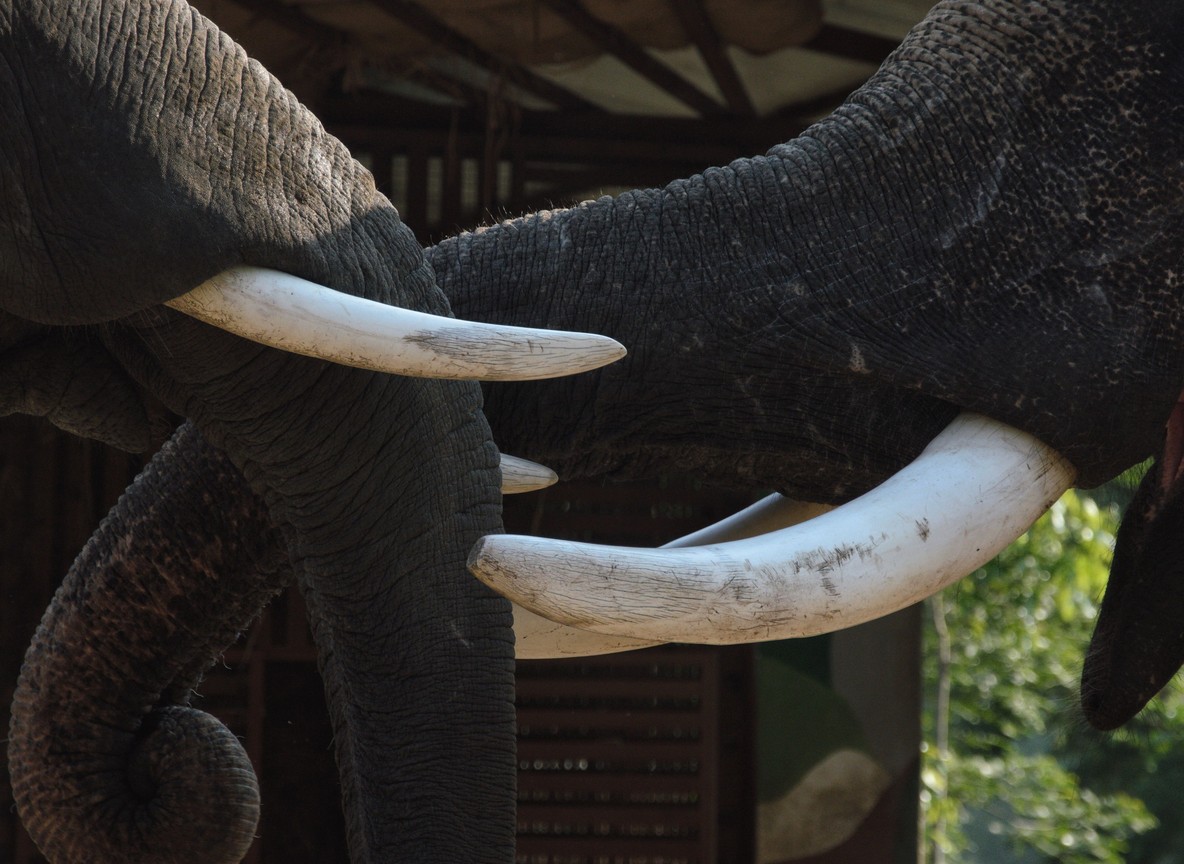
On the morning of July 15, 2026, Kenya Wildlife Service officers and detectives from the Directorate of Criminal Investigations stopped a motorbike near Kakuma town in Turkana County. Riders were carrying 9.2 kg of elephant tusks wrapped for transport. Four suspects were arrested within the hour. The bust was small by weight, far smaller than the 110 kg seizure at Namanga six months earlier. But it landed in a place few travelers associate with ivory trafficking at all. Touring Insights looks at what happened, why Turkana sits on a smuggling corridor, and what it means for anyone planning a trip toward Lake Turkana.
What Happened in Kakuma on July 15, 2026
KWS officers and DCI detectives intercepted the motorbike around 10:00 a.m. near Kakuma, in Turkana West Sub-County. The four suspects were named as Albert Elia Eroo, 36, Akateso Enock, 45, Losuru Ekadeli Ekutan, 30, and Havyarima Claudia, 46. Two are Burundian nationals. The other two are Kenyan and come from the local Turkana community. All four were booked at Kakuma Police Station, with arraignment set for the following day. Turkana County KWS Warden Elijah Chege credited the tip-off to residents living along the route. “Their vigilance affirms that communities are indispensable partners in conservation,” he said.
Why Turkana Sits on Kenya’s Ivory Smuggling Route
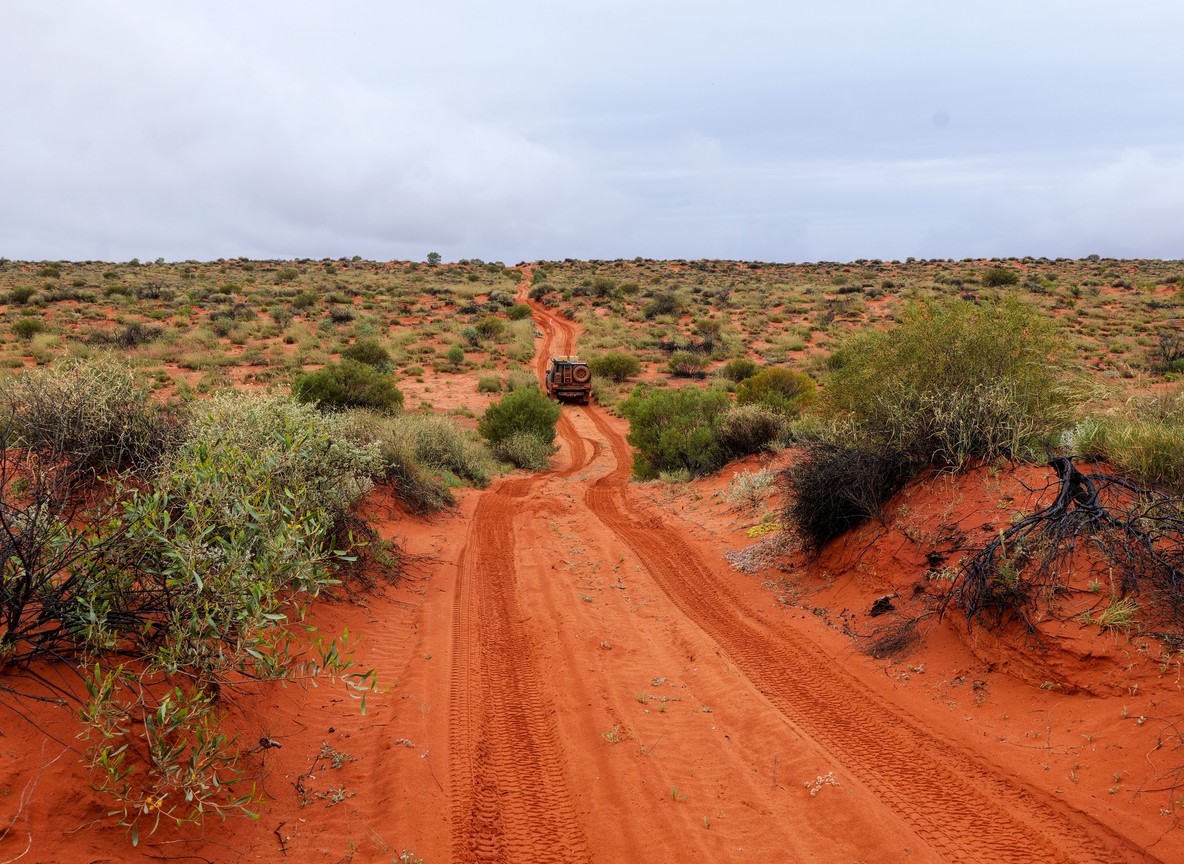
Kakuma is not near a major elephant population. Turkana County holds no resident herds anywhere close to the size of those in Kenya’s major southern elephant strongholds. Its relevance to trafficking is geographic, not ecological. Kakuma sits roughly 135 km from Nadapal, the Kenya-South Sudan border crossing, and about 120 km from Lodwar, the county headquarters. That position makes Turkana a transit corridor rather than a source region. Tusks poached in South Sudan, Uganda, or further afield can move south through Turkana toward buyers in Nairobi or coastal export points. A rural, sparsely policed border area is exactly the kind of route traffickers favor, and it is why this bust matters more than its weight suggests.
Kakuma vs Namanga: Kenya’s Two Biggest Ivory Busts of 2026
Comparing the two largest reported seizures this year shows how different Kenya’s trafficking pressure points can look.
| Detail | Kakuma, Turkana | Namanga, Kajiado |
|---|---|---|
| Date | July 15, 2026 | January 24, 2026 |
| Weight seized | 9.2 kg | 110 kg (20 pieces) |
| Border crossed | Kenya-South Sudan corridor | Kenya-Tanzania border post |
| Transport method | Motorbike | Two vehicles, concealed under beer crates |
| Suspects | 4 (2 Burundian, 2 Kenyan) | 3 (2 Tanzanian, 1 Kenyan) |
| Lead agencies | KWS, DCI, Kakuma Police | LATF, KWS, National Police Service, Freeland |
| Estimated value | Not disclosed | Approx. KES 11 million |
Where This Ivory Was Headed, and Where It Came From
Investigators have not disclosed a confirmed origin for the Kakuma tusks. But the route pattern echoes the Namanga case, where KWS Deputy Director of Security Nancy Kabete said ivory “had come from Malawi, being transported through Tanzania, looking for a Kenyan buyer.” Kenya increasingly functions as a pass-through market rather than the primary poaching ground it was two decades ago. Wildlife crime investigators describe a similar shape in the north. Tusks move south from conflict-affected areas near South Sudan, Ethiopia, or the wider Horn, cross at informal points along the Turkana border, and head toward buyers further inland. The Lusaka Agreement Task Force called the Namanga case part of “a transnational wildlife crime network spanning multiple countries in the region.”
How KWS and Multi-Agency Teams Are Fighting Trafficking Here
Kenya’s response leans on cooperation between agencies that rarely shared intelligence a decade ago. The Kakuma arrest paired KWS wildlife officers with DCI detectives and the local police post. Namanga went further, folding in the Lusaka Agreement Task Force, the National Police Service, and the NGO Freeland. Big Life Foundation, active further south along the Kenya-Tanzania border ecosystem, runs a similar community-ranger model with more than 340 rangers across 1.6 million acres. The common thread across all these efforts is community intelligence. Chege’s comment about residents flagging the Kakuma motorbike is not an isolated detail. Most seizures near Kenya’s borders start with a tip, not a patrol stumbling onto contraband by chance. DCI involvement also matters for prosecution. Wildlife cases that stall in court often do so on evidence handling, and a criminal investigations unit working the case from the arrest onward closes that gap.
What This Means for Elephants Outside Turkana’s Usual Range
Every seized tusk represents an elephant killed somewhere else, often far from where it was caught. That distance is part of the problem. A bust near Kakuma does not tell rangers in South Sudan or Uganda which herd lost an animal, or when. Kenya’s wildlife crime courts have increasingly used the Wildlife Conservation and Management Act of 2013, which carries fines up to KES 20 million or life imprisonment for dealing in trophies from endangered species. Convictions depend on tracing tusks back to a poaching event, which cross-border cases make harder. A trafficking route through a low-population area like Turkana can move contraband for months before enforcement catches up, precisely because no local herd loss triggers an immediate alarm. Regional partners feel this gap too. Uganda Wildlife Authority and South Sudan’s wildlife services rarely get real-time alerts from a Kenyan border arrest, which slows any effort to match seized tusks back to a specific poaching incident across the border.
Visiting Lake Turkana and Turkana County: Distances, Fees, and Safety Notes
None of this should scare travelers away from northern Kenya, but it is worth planning with current information rather than outdated assumptions.
| Detail | Figure |
|---|---|
| Turkana County size | approx. 70,512 km2 |
| Nairobi to Lodwar (road, via Eldoret-Kitale) | approx. 640 km, 9-10 hr drive |
| Lodwar to Kakuma | approx. 120 km, 2 hr drive |
| Kakuma to Nadapal border (South Sudan) | approx. 135 km |
| Sibiloi National Park size | approx. 1,570 km2 |
| Sibiloi/South Turkana National Reserve entry fee (non-resident, indicative 2026) | approx. USD 40 adult per 24 hr |
| Nearest scheduled flights | Lodwar Airport, served from Nairobi Wilson Airport |
Kakuma itself is a border town and the site of Kenya’s largest refugee camp, not a tourism stop. Travelers heading to Lake Turkana for Sibiloi National Park or the Koobi Fora fossil beds generally route through Lodwar and Loiyangalani, well south and east of the Kakuma crossing area. Check the current Kenya government travel advisory for Turkana County before finalizing a northern itinerary, since border counties get reviewed separately from the established safari circuit.
Explorer Notes
Ask any KWS-registered guide in Turkana about “community scouts” before you go. These are local residents, often herders, who report movement along known smuggling paths in exchange for conservation program support. It is the same network Chege credited for the Kakuma tip-off. If you are traveling toward Lake Turkana, build in a buffer day around Lodwar rather than pushing straight through from Nairobi in one drive. The road is tarmac but long, and afternoon winds around the lake can ground small charter flights. Pack more water than you think you need. Turkana’s climate is genuinely arid, and services thin out fast once you leave Lodwar.
What to Read Next
- Sibiloi National Park: Walking Among 4-Million-Year-Old Fossils at Koobi Fora
- Is the Masai Mara on Any Travel Advisory? What Canada’s July 2026 Kenya Warning Covers
- Six Tusks, Three Arrests: What a Laikipia Anti-Poaching Raid Reveals About Ivory Trafficking Today
FAQ
What happened in the Kakuma ivory bust in Turkana? On July 15, 2026, KWS officers and DCI detectives arrested four suspects transporting 9.2 kg of elephant tusks by motorbike near Kakuma, Turkana County.
Is Turkana County a source of poached ivory? No. Turkana holds few resident elephant herds. Investigators treat it as a transit corridor for tusks moving toward buyers further south, not a poaching ground itself.
Is it safe to travel to Lake Turkana because of this trafficking activity? The seizure took place near the Kakuma border crossing, well north of the usual Lake Turkana tourist route through Lodwar and Loiyangalani. Check the current government travel advisory for Turkana County before finalizing plans.
How does the Kakuma seizure compare to Kenya’s other big 2026 ivory bust? The January 2026 Namanga seizure involved 110 kg of ivory, over ten times the Kakuma weight, and included a wider multi-agency task force covering the Kenya-Tanzania border.
What law governs ivory trafficking penalties in Kenya? The Wildlife Conservation and Management Act of 2013 sets penalties up to KES 20 million in fines or life imprisonment for trafficking trophies from endangered species.
A single motorbike stop will not close a smuggling route on its own, but it shows the system is watching. If a trip toward Lake Turkana or Sibiloi National Park is on your list, check the Tour Packages page for itineraries that route through Lodwar with the right buffer days built in.